


ENGAGEMENT RING GUIDE
An engagement ring is a balance of stone and setting
An engagement ring is shaped as much by the setting height, the number of prongs and the band’s width and profile as by its center stone. Two solitaires that look alike in photos can differ in side profile, in how they sit beside a wedding band and in how often they catch during the day.
Decide first how the ring will be worn and what you want to spend, then compare the stone type and size, the metal and the design in that order. The finished price can reflect the size, options and production schedule as well as the stone and setting, so compare final prices under the same conditions.
What to compare
Center stone and shape
A round stone offers balanced brilliance and suits the widest range of designs. With fancy shapes such as oval, emerald and cushion, check the length and width the stone shows on the finger and the proportions of the individual stone.
Prongs and setting height
Four prongs reveal more of the stone’s outline; six prongs give a classic look. A higher setting can make it easier to pair the ring with a wedding band, but it catches more during activity, so think about your daily routine.
Band and metal
White, yellow and rose gold and platinum differ in color, weight and care. Band width and thickness affect comfort and how well the ring keeps its shape, not just how it looks from the front.
Lab-grown or natural
Lab-grown and natural diamonds share the same crystal and are graded on the same 4C scale, but they form differently and are priced differently. Set your priorities for budget, meaning and size first, then compare both under the same conditions and total cost.
Ring size and production
Readings vary with the ring sizer used and the time of day. Before you order, check the resizing range for the design, engraving, the production time and the repair policy.
Engagement ring and wedding band
A ring with a center stone is the engagement ring; the plain or diamond-set bands a couple wears together are wedding bands. If you plan to wear both on one finger, compare the setting height and band width together.
BEFORE YOU ORDER
Checklist before you order
- How the ring will be worn and what it will sit beside
- Center stone shape and its actual measurements
- Number of prongs, setting height and band width
- Metal type and color
- Resizing options and production schedule
Frequently asked questions
- What is the difference between an engagement ring and a wedding band?
- An engagement ring usually carries a center stone, such as a solitaire diamond, while wedding bands are the plain or diamond-set rings a couple wears as a pair. Compare the engagement ring’s setting height with the band width if you plan to wear both together.
- Should I choose a lab-grown or a natural diamond?
- Both are diamonds with the same crystal structure, graded on the same 4C scale. At the same carat weight and grades a lab-grown diamond costs less, so the same budget can reach a larger stone; a natural diamond is formed in the earth and priced on a different market. Decide what matters most to you, then compare both on the same conditions.
- Four prongs or six?
- Four prongs reveal more of the stone’s outline, while six prongs give a classic look. Either way, check the setting height too: a higher setting pairs more easily with a wedding band but catches more in daily wear.
- How do I find my ring size when ordering from abroad?
- Measure your finger’s circumference in millimeters, or the inner diameter of a ring that fits, and find it in our ring size guide, which compares US, UK, Japanese, European (ISO) and Korean sizes. Measure more than once and allow extra room for a wide band.
- How long does it take to receive the ring?
- Each product page shows its production and dispatch schedule. International orders ship by FedEx from Seoul, and the delivery options for your address appear at checkout.
FEATURED DESIGNS
Featured pieces
1 ct Lab-Grown Diamond Six-Prong Engagement Ring
A classic six-prong setting around a 1 ct round stone
View details →1 ct Lab-Grown Diamond Line-Edge Engagement Ring
Clean lines and a modern solitaire profile
View details →1 ct Lab-Grown Diamond Classic Engagement Ring
A balanced classic setting made for everyday wear
View details →
Available now
See every matching piece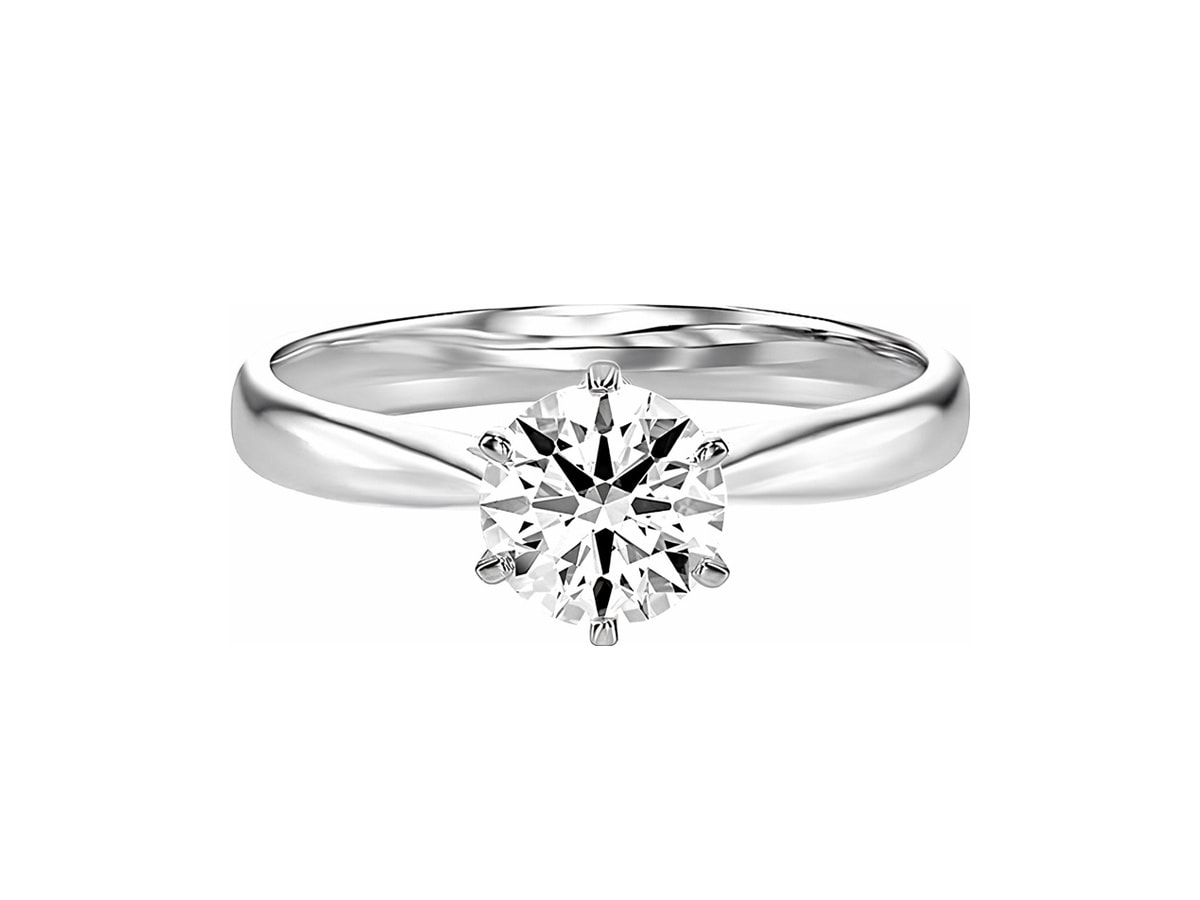
Solitaire Six-Prong Engagement Ring
$662
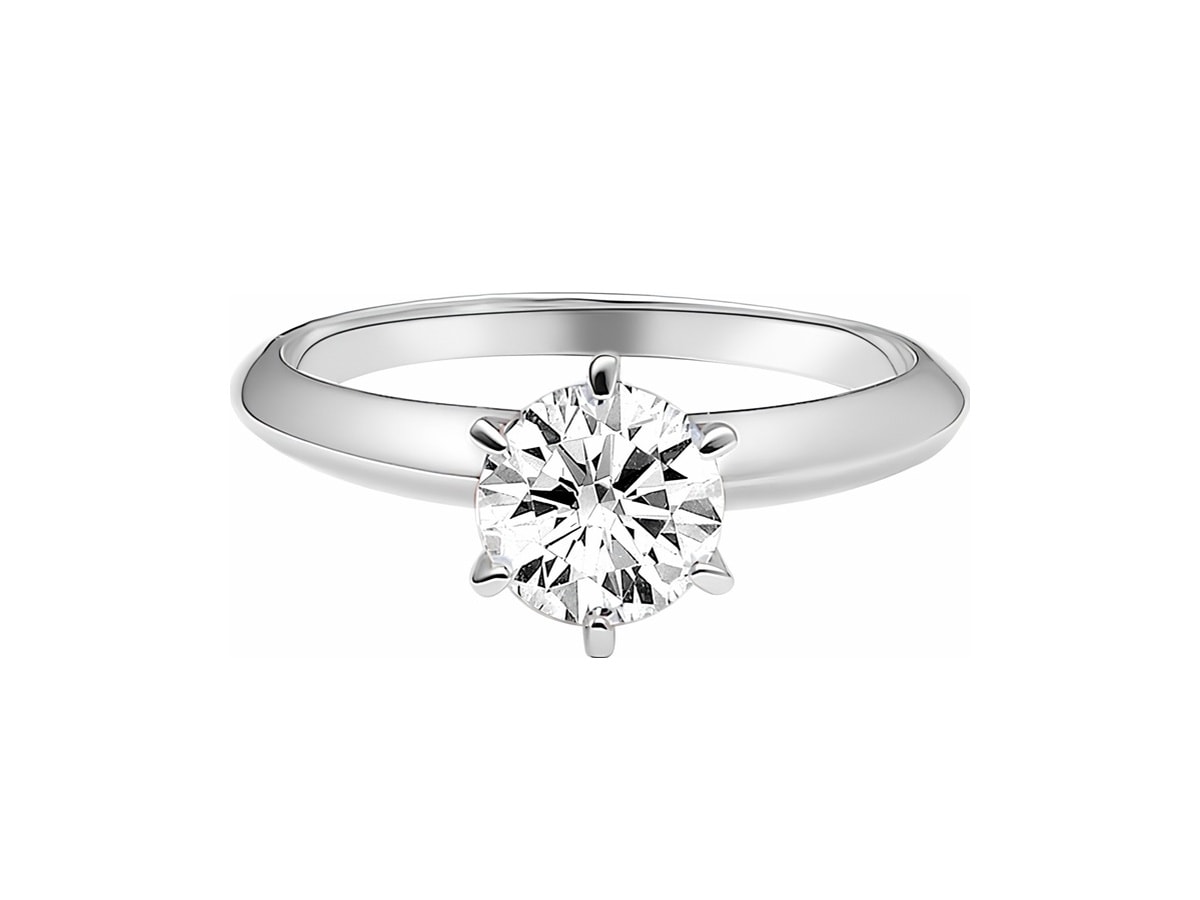
Line Edge Solitaire Engagement Ring
$688
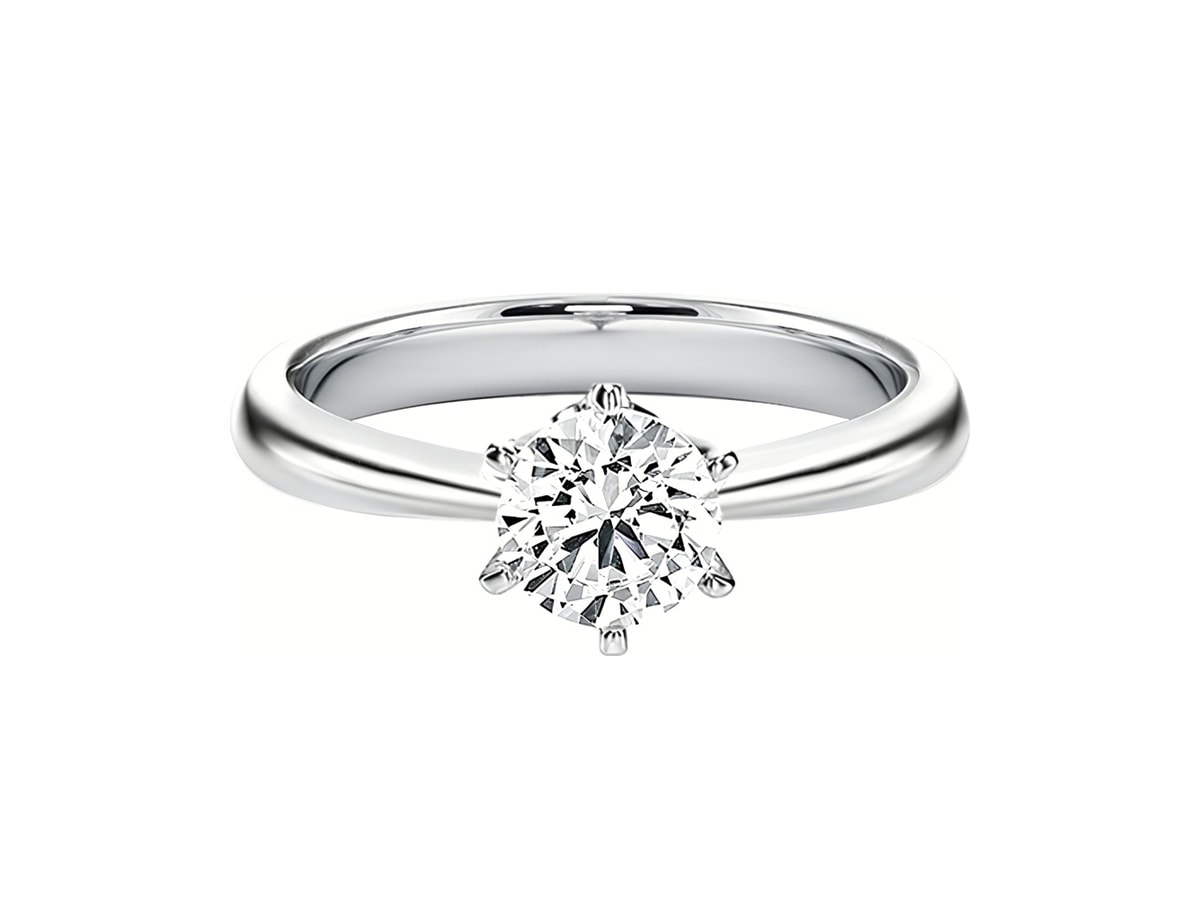
Classic Solitaire Engagement Ring
$632
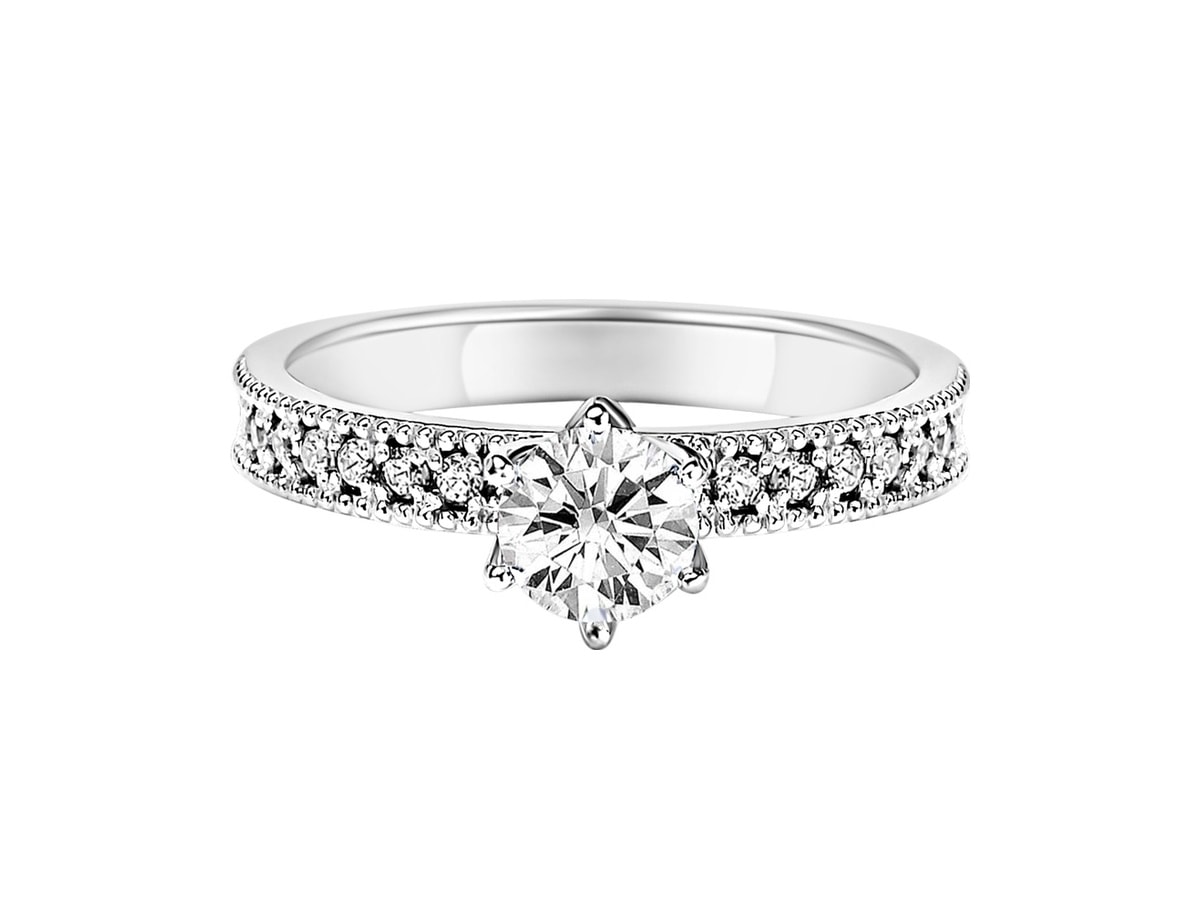
Milgrain Pavé Engagement Ring
$901
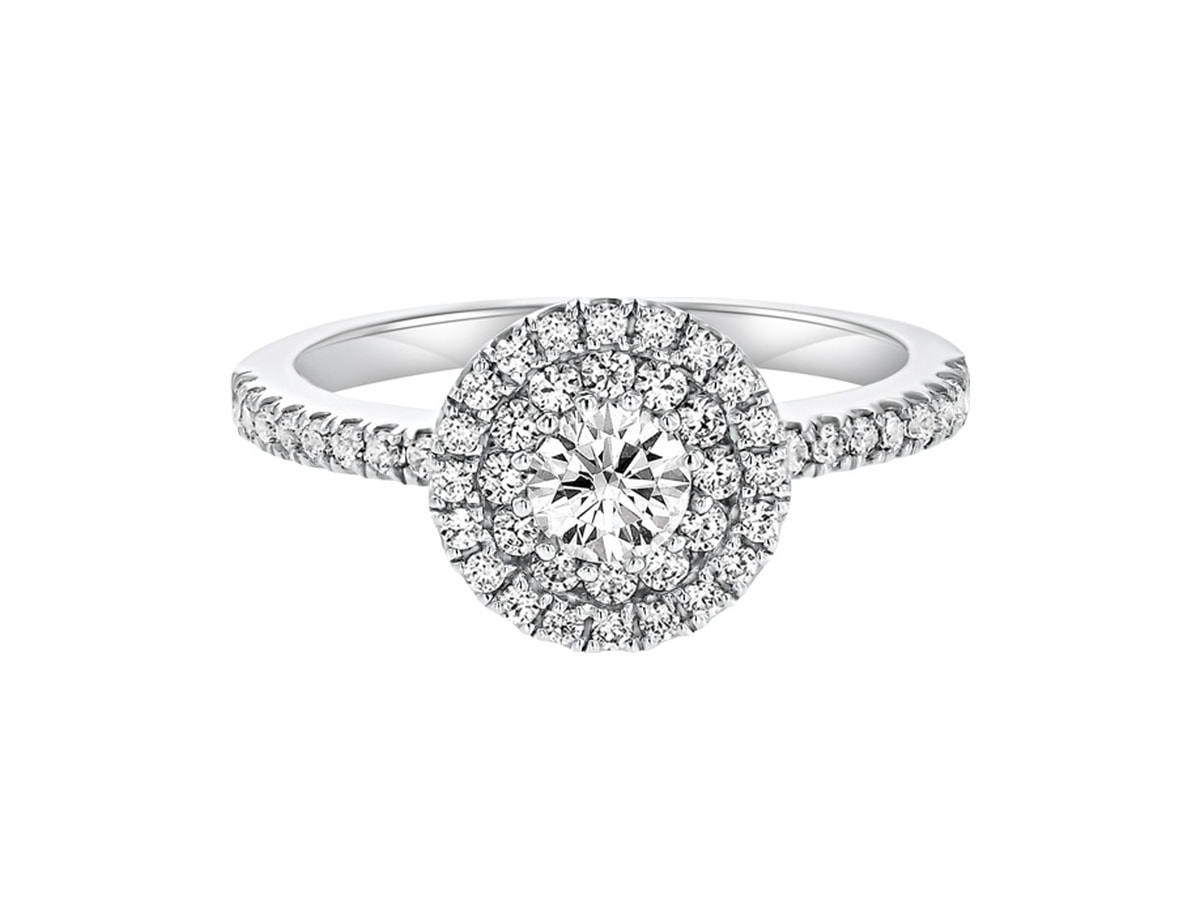
Pavé DoubleHalo Engagement Ring
$1,145
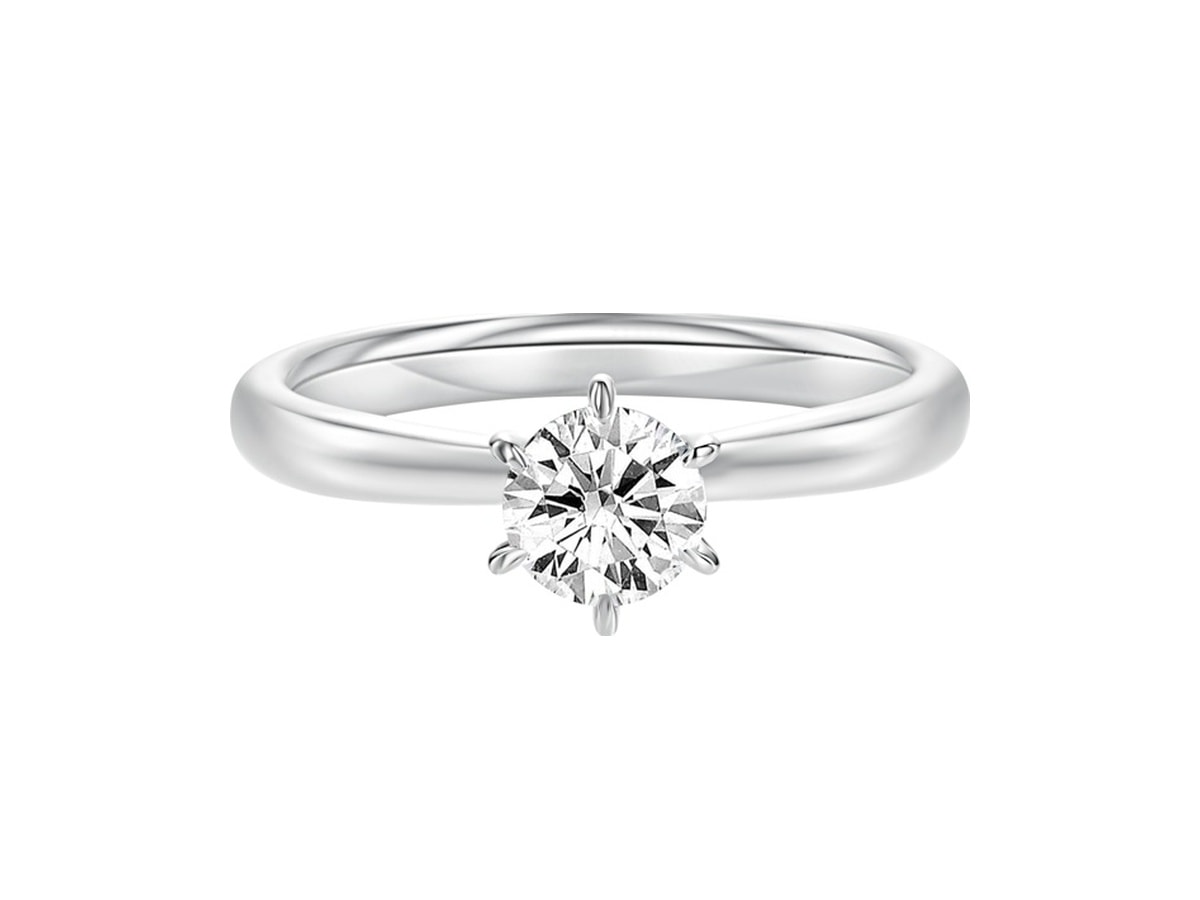
Peg Head Solitaire Engagement Ring
$795
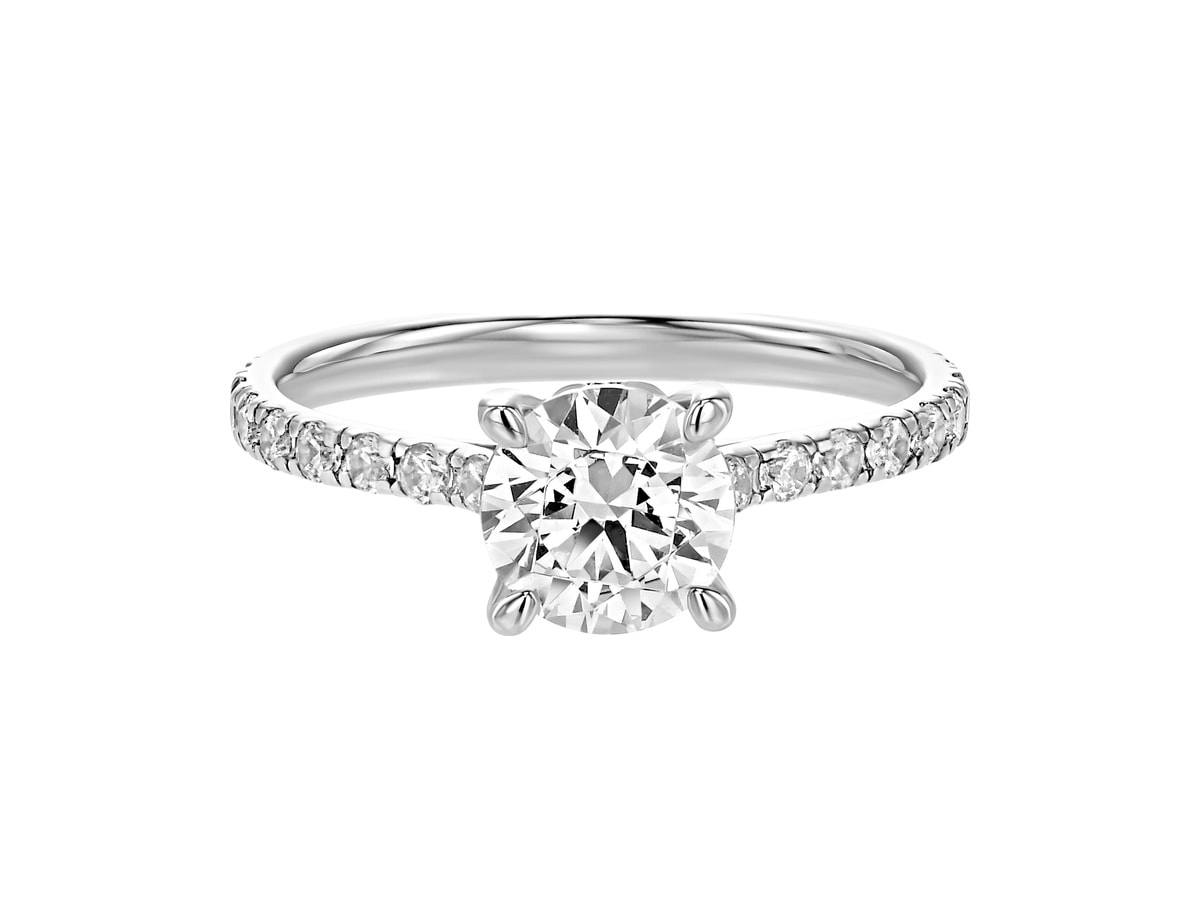
Round Pavé Solitaire Engagement Ring
$756
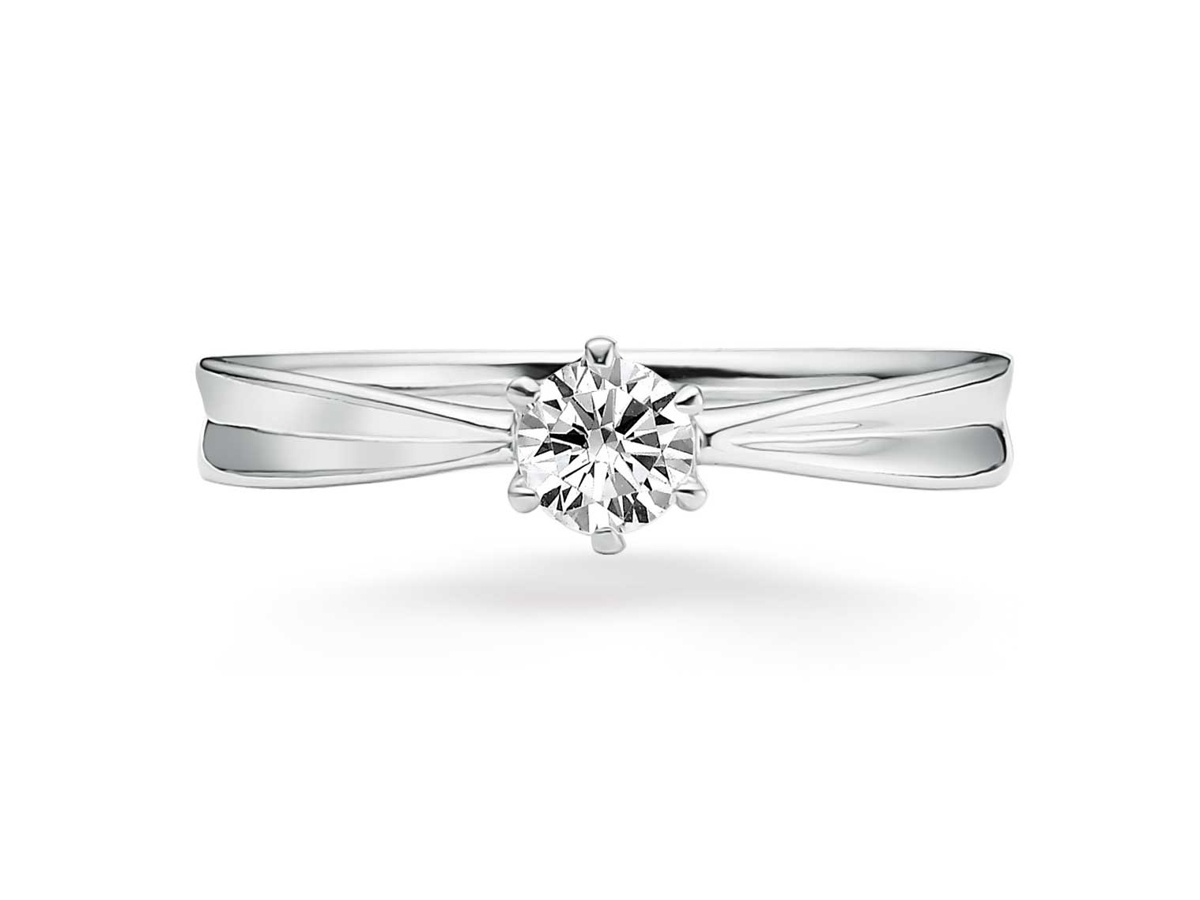
Flow Edge Six-Prong Engagement Ring
$783