


LAB-GROWN DIAMOND GUIDE
Lab-grown diamonds: what to check before you choose
Lab-grown, lab-created and lab diamonds are three names for the same gem. It is grown in a controlled environment, yet it has the same carbon crystal structure as a natural diamond, which sets it clearly apart from simulants of a different composition such as cubic zirconia and moissanite.
Rather than judging by growth method alone, compare each stone’s grading report number, 4C grades, real video, measurements and proportions, fluorescence and price side by side. If the stone is going into jewelry, weigh the setting, the metal, how you will wear it and the aftercare in the same comparison.
CURRENT INVENTORY
Lab-Grown Diamond Prices by Carat
These are the lowest prices in each carat band among stones currently for sale. Even at the same carat, price varies with cut, color, clarity and grading lab, so open a band to compare individual stones and their reports.
| Carat | Lowest price | In stock | Go to listing |
|---|---|---|---|
| 0.3 Carat | From $30 | 14,689 | View 0.3 Carat — 0.3 Carat stones |
| 0.5 Carat | From $68 | 7,972 | View 0.5 Carat — 0.5 Carat stones |
| 0.7 Carat | From $106 | 2,219 | View 0.7 Carat — 0.7 Carat stones |
| 1 Carat | From $152 | 17,124 | View 1 Carat — 1 Carat stones |
| 1.5 Carat | From $275 | 2,224 | View 1.5 Carat — 1.5 Carat stones |
| 2 Carat | From $382 | 3,321 | View 2 Carat — 2 Carat stones |
| 3 Carat | From $535 | 877 | View 3 Carat — 3 Carat stones |
| 5 Carat & Up | From $765 | 4,671 | View 5 Carat & Up — 5 Carat & Up stones |
Basis: Round, D–E color, VS2 clarity or better, Excellent cut or better. Figures change with inventory and may be cached for up to 10 minutes. Check the stone detail page for the latest price and availability.
What to compare
HPHT and CVD
HPHT recreates the high pressure and temperature in which natural diamonds form and grows the crystal under them; CVD builds the crystal up atom by atom from a carbon-bearing gas. Either way the result is pure crystalline carbon, with the hardness and refractive index of a natural diamond, and it is graded on the same 4C scale.
The stone matters more than the method
Neither method is always better. Final quality comes down to the individual stone: its color, clarity, cut, any post-growth treatment disclosed and the result of its grading.
Checking the grading report
Note the grading lab and the report number, then look the report up on that lab’s own verification service and confirm that the weight, measurements, grades and girdle inscription match the listing. A report is not decoration for a sales page; it is how you confirm you are getting that exact stone.
Comparing prices
At the same carat weight, cut, color, clarity, shape and measurements change both how a stone looks and what it costs. Compare the current selling price together with the setting, the production time and the exchange and return terms rather than a discount rate on its own.
Choosing the jewelry
For a ring you will wear every day, check the prong height and band thickness; for a necklace, the chain length and whether the pendant flips; for a tennis bracelet, the clasp and how freely it moves. The stone’s grades and how the finished piece wears are separate choices.
BEFORE YOU ORDER
Checklist before you order
- Report number matches the girdle inscription
- Cut, color, clarity, carat and the actual measurements
- Disclosed treatment and growth method
- Setting metal and production time
- What exchanges, returns and repairs cover
Frequently asked questions
- Are lab-grown, lab-created and lab diamonds the same thing?
- Yes. All three names describe a diamond grown in a laboratory, and the name does not change the product, so look first at the grading lab, the report number and the 4C grades. Cubic zirconia and moissanite, on the other hand, are simulants with a different composition, so always check the material stated in the product details.
- What is the difference between CVD and HPHT?
- HPHT grows the crystal by recreating the high pressure and temperature in which natural diamonds form, while CVD deposits carbon atoms layer by layer from a carbon-bearing gas. Both produce pure crystalline carbon graded on the same 4C scale, so comparing each stone’s cut, color, clarity and disclosed treatments tells you more than the method itself.
- How do I check a grading report?
- Find the grading lab and the report number, then use that lab’s official verification service to confirm that the weight, measurements, grades and girdle inscription match the product details. Reports for laboratory-grown stones also state the growth method and any treatment, so read those lines as well.
- How does the price compare with a natural diamond?
- At the same carat weight and grades, a lab-grown diamond sits in a lower price range than a natural one, so the same budget can reach a larger stone or higher grades. Actual prices move with cut, color, clarity, shape and stock, so check the carat-by-carat table on this page for the stones on sale right now.
FEATURED DESIGNS
Featured pieces
1 ct Lab-Grown Diamond Six-Prong Engagement Ring
A classic six-prong setting around a 1 ct round stone
View details →1 ct Lab-Grown Diamond Line-Edge Engagement Ring
Clean lines and a modern solitaire profile
View details →1 ct Lab-Grown Diamond Classic Engagement Ring
A balanced classic setting made for everyday wear
View details →
Available now
See every matching piece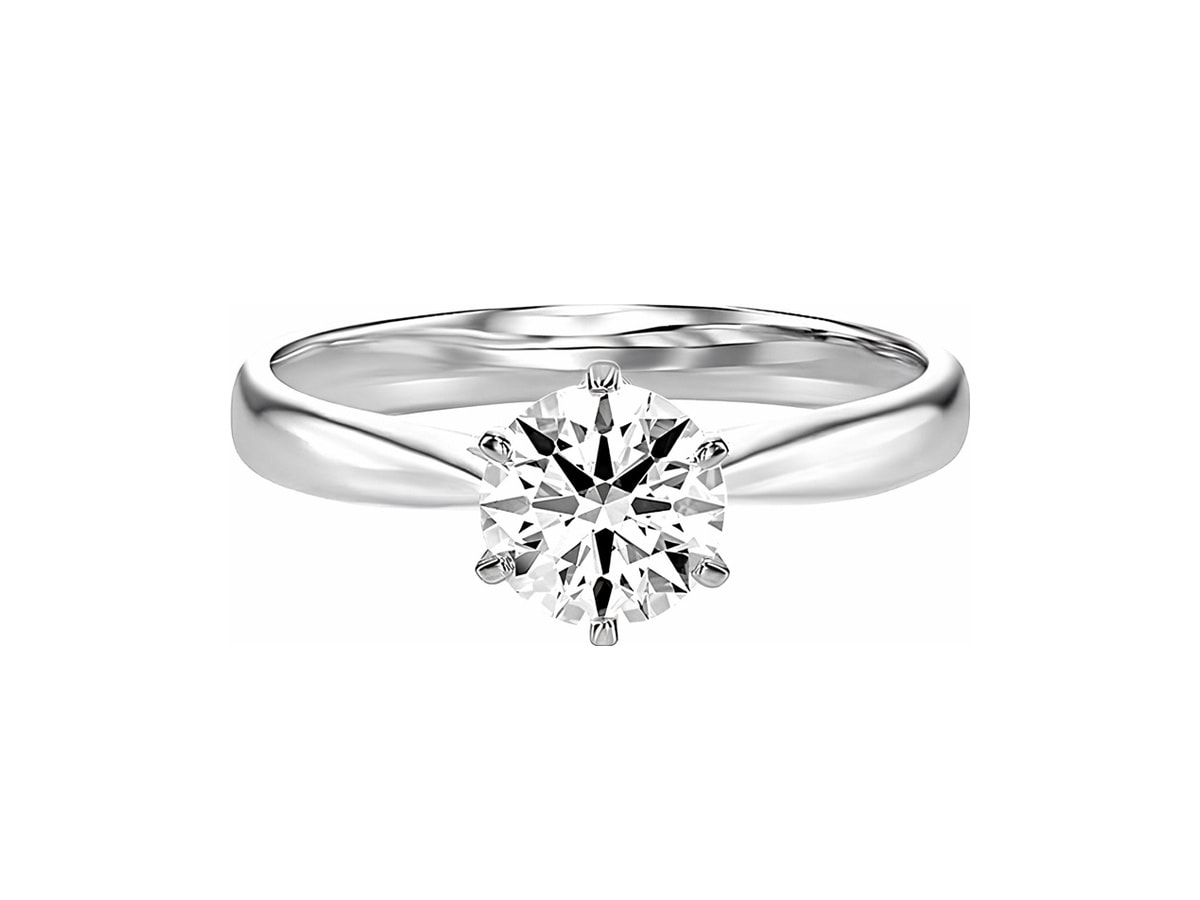
Solitaire Six-Prong Engagement Ring
$662
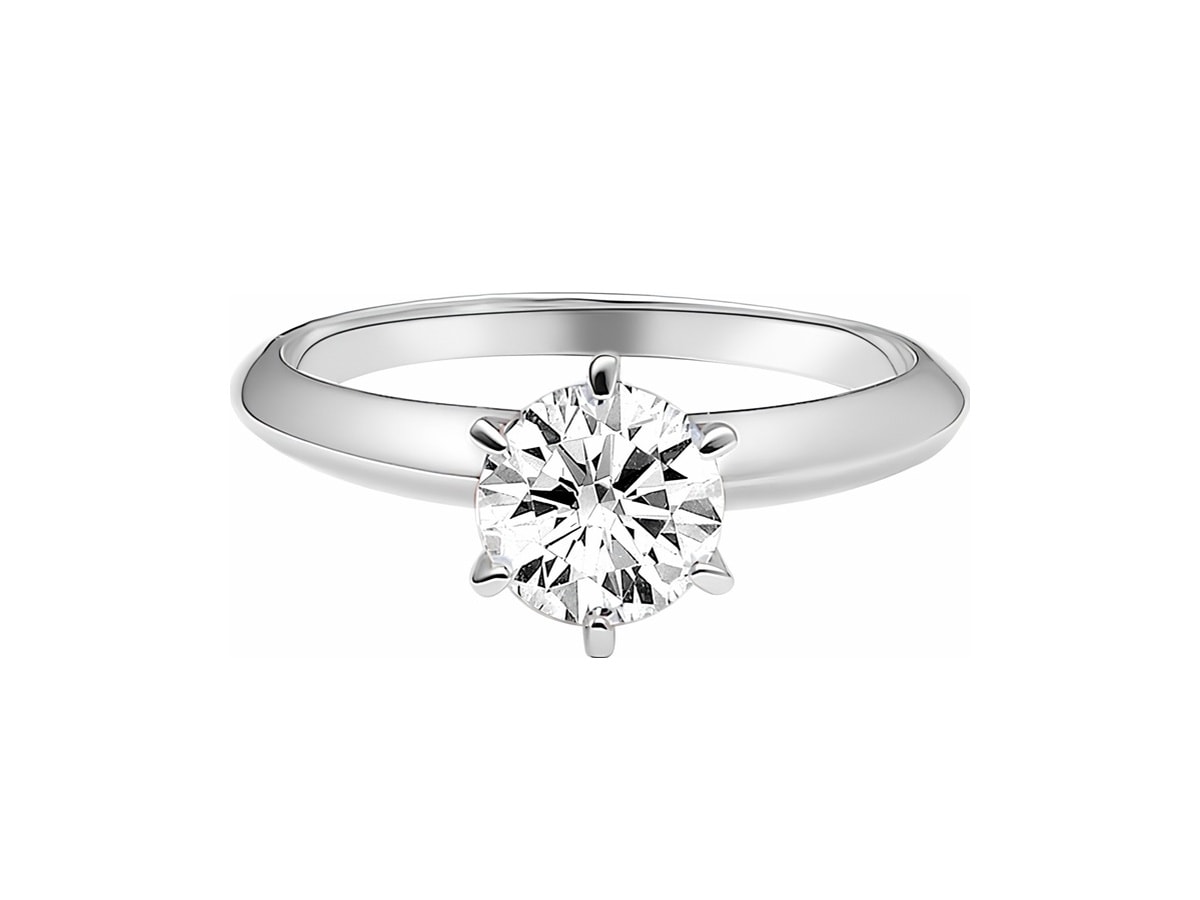
Line Edge Solitaire Engagement Ring
$688
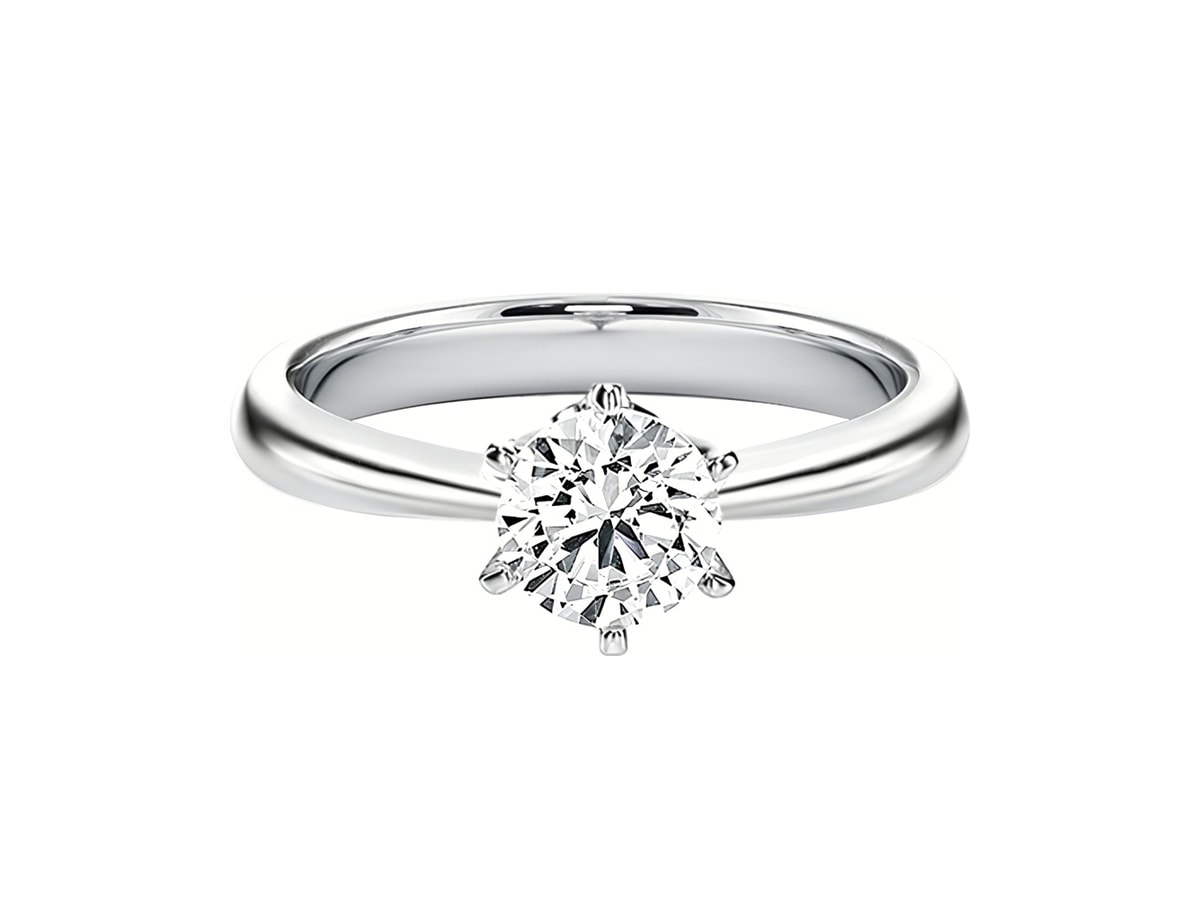
Classic Solitaire Engagement Ring
$632
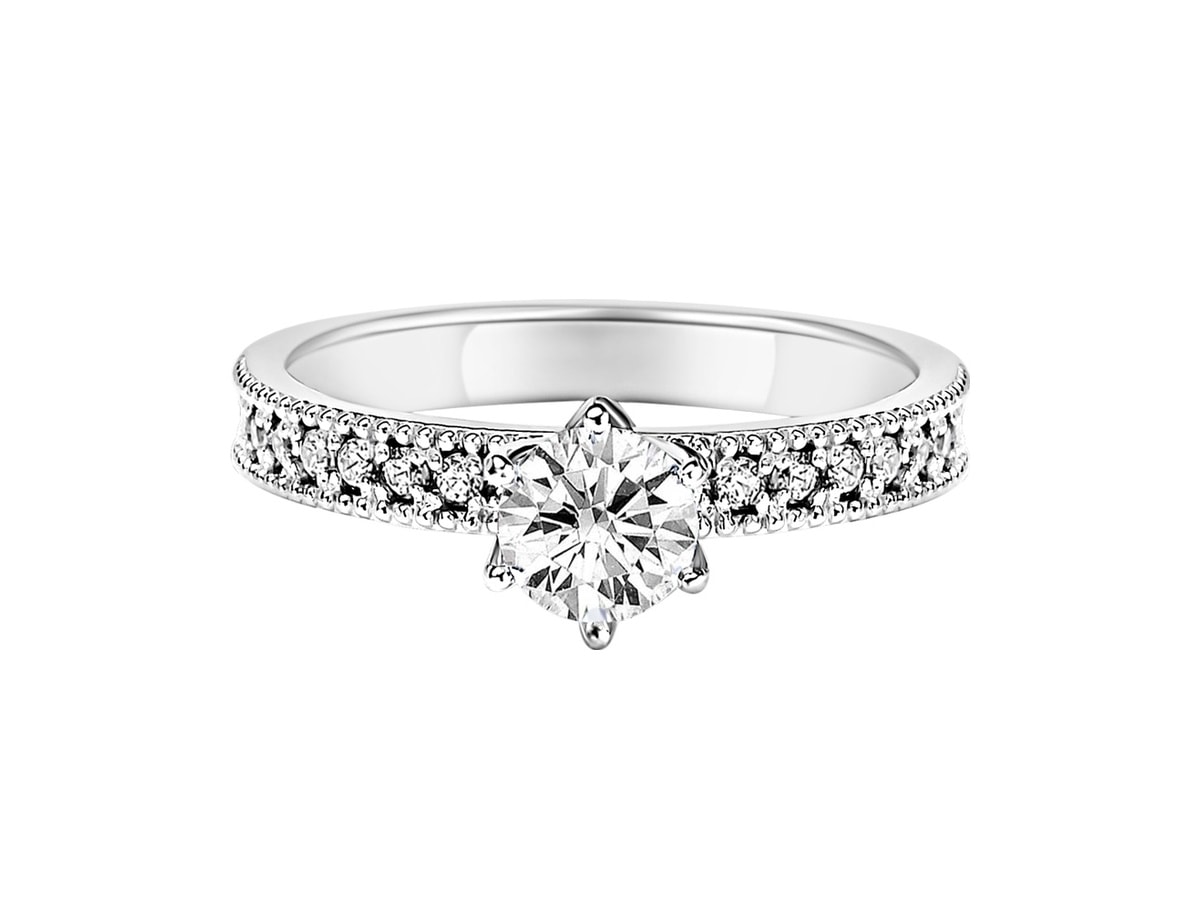
Milgrain Pavé Engagement Ring
$901
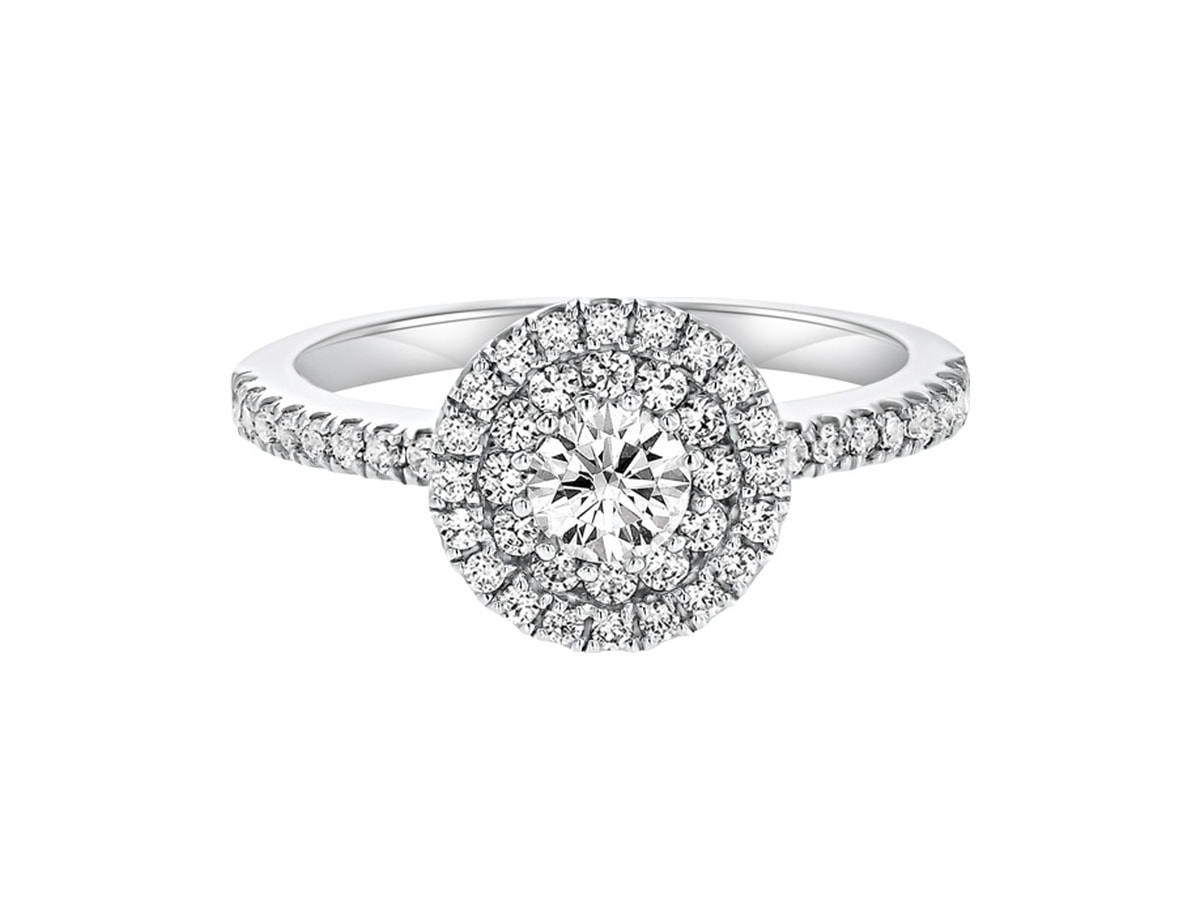
Pavé DoubleHalo Engagement Ring
$1,145
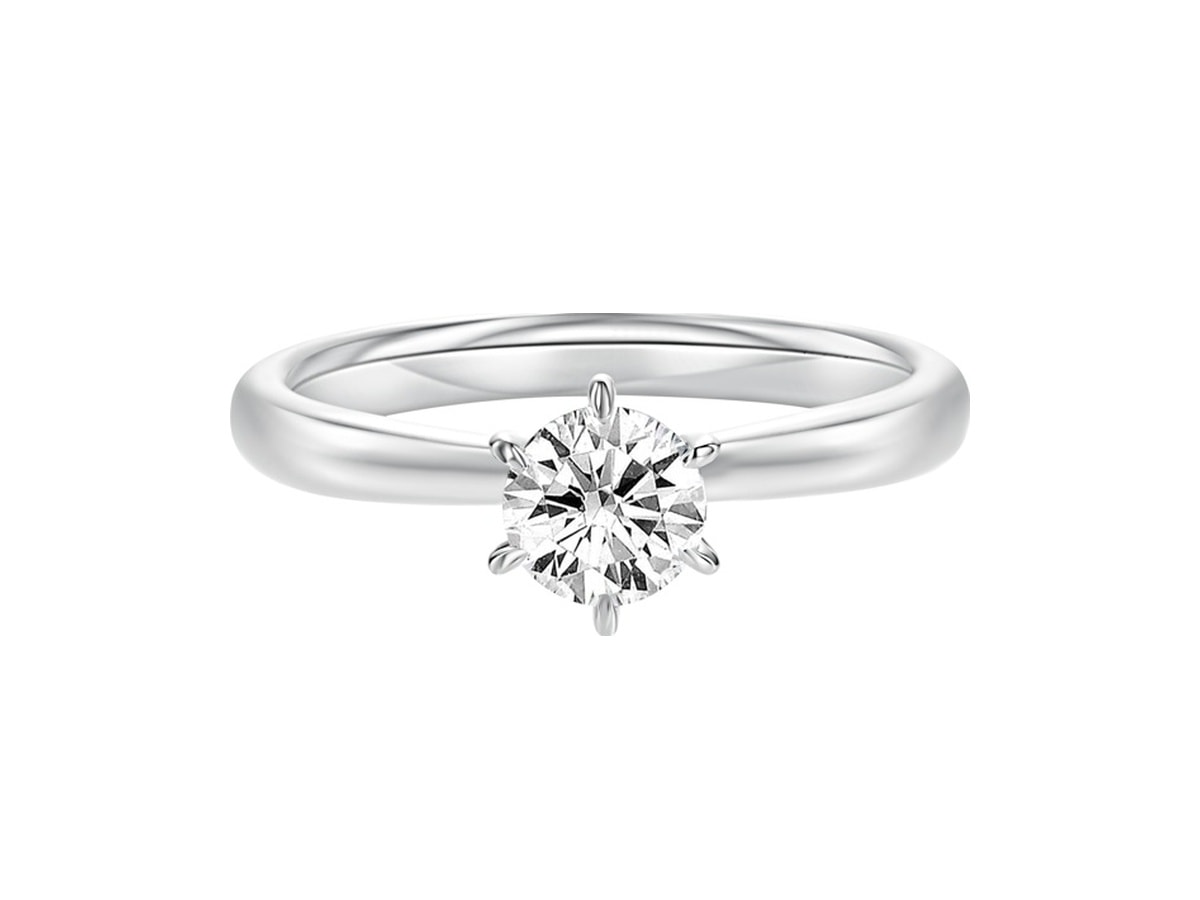
Peg Head Solitaire Engagement Ring
$795
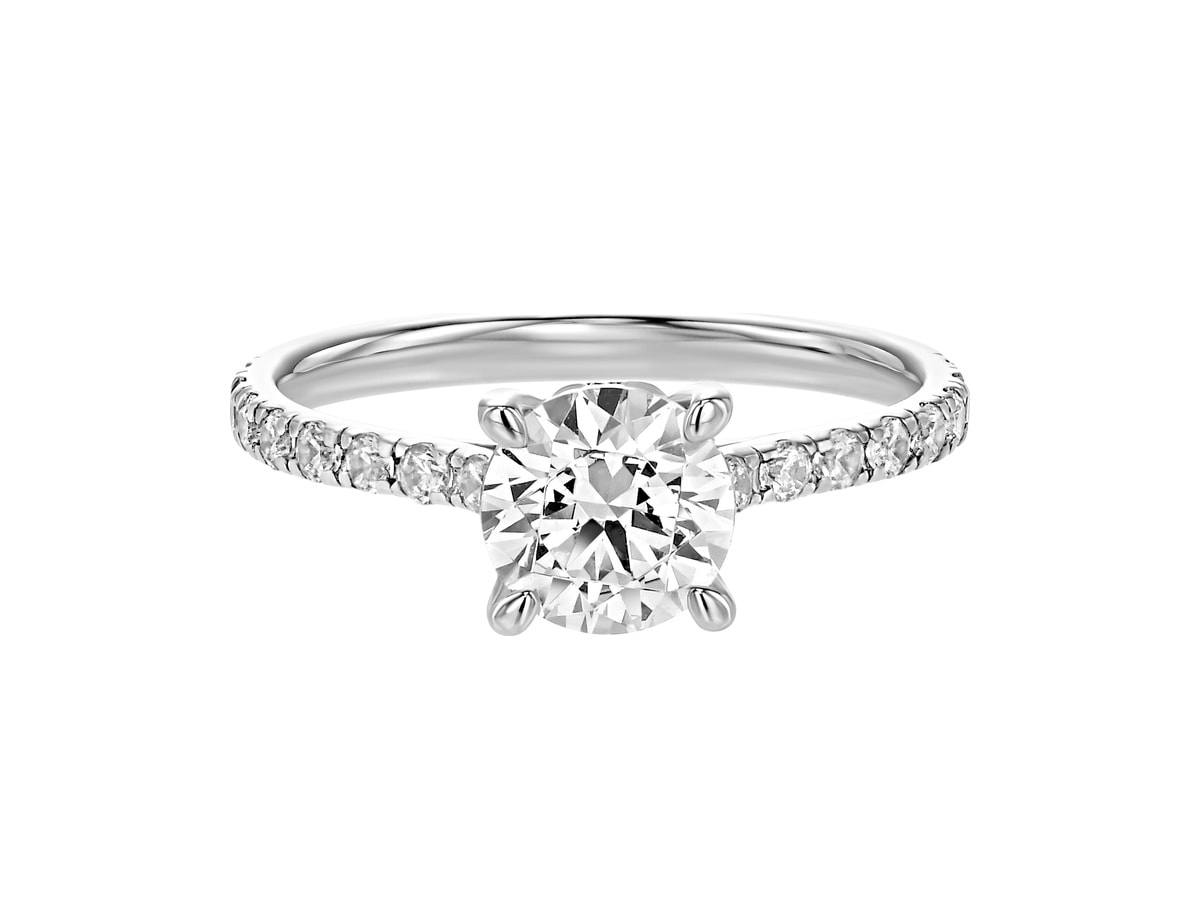
Round Pavé Solitaire Engagement Ring
$756
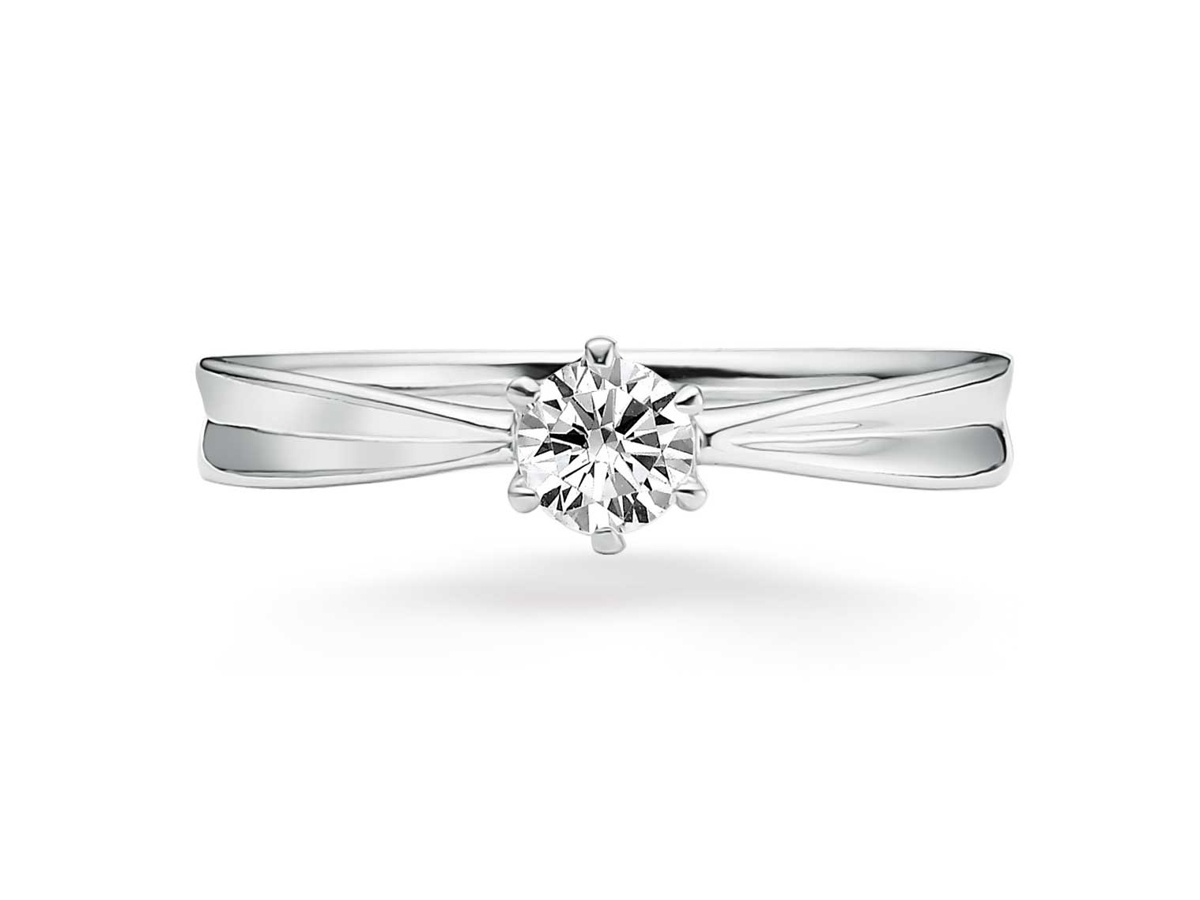
Flow Edge Six-Prong Engagement Ring
$783